With a new house comes a new garden, and this time we’re ready to to take it to a new level.
A quick note though: to be clear, we’re not trying to homestead here. Neither Jordan or myself has any interest in trying to grow all of our own food. That takes a level of dedication that we are simply not up for–both in terms of the time we have available to devote to it, and in terms of our interests. I know this in part because when we lived in the South, our gardening season extended much longer. We honestly probably could’ve grown our own food through most of the year. But that level of intensive growing (even in our tiny little garden) was just too much for me. By the end of the growing season (in November) I was extremely ready to be done. And when growing season popped up again in February, I tended to feel burnt out.
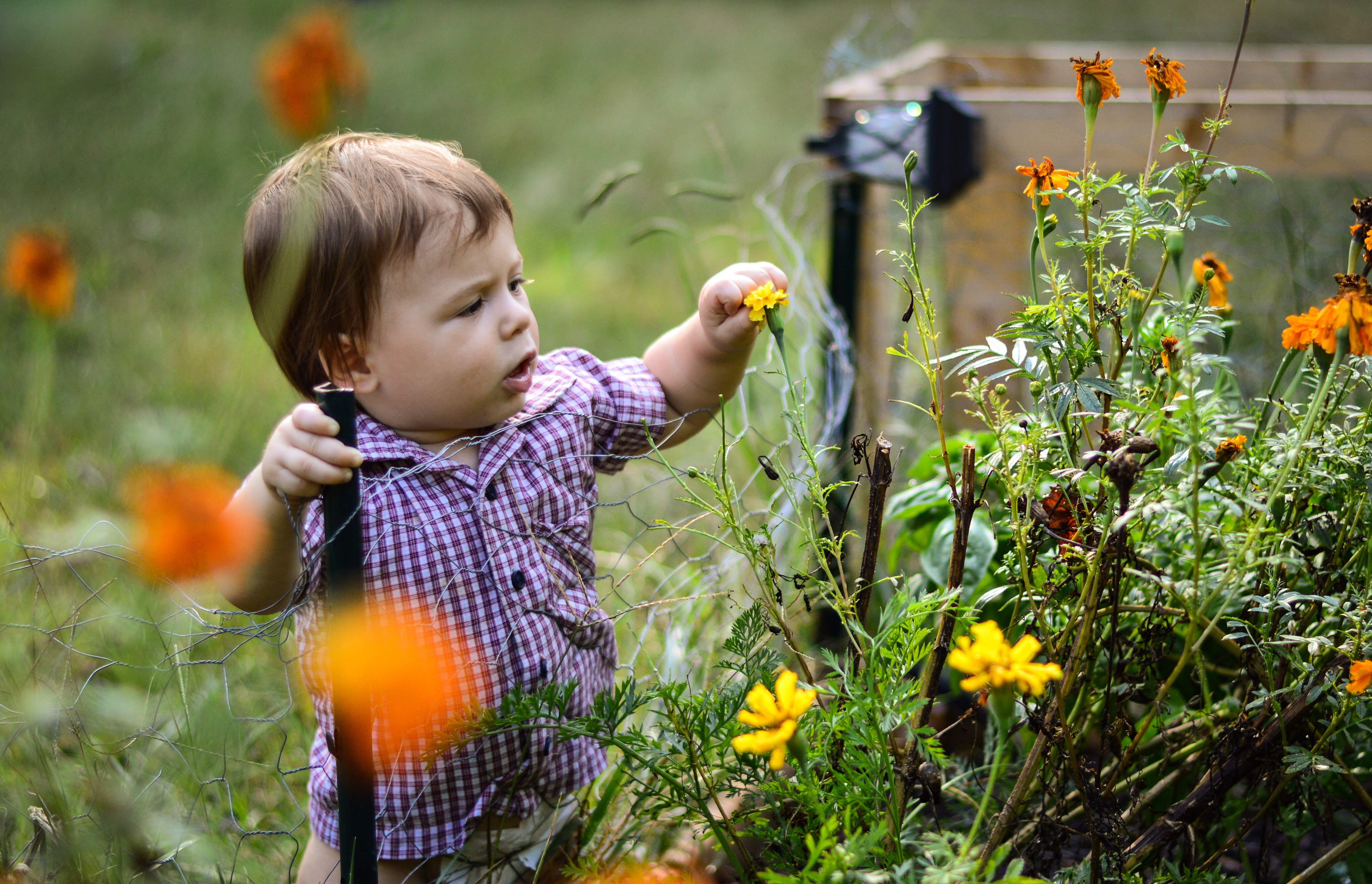
It’s a funny thing to write, but I’m grateful to now live in a place with winters that are long enough and cold enough that I get a break–so that I can welcome the tiny green growing things that spring brings with excitement.
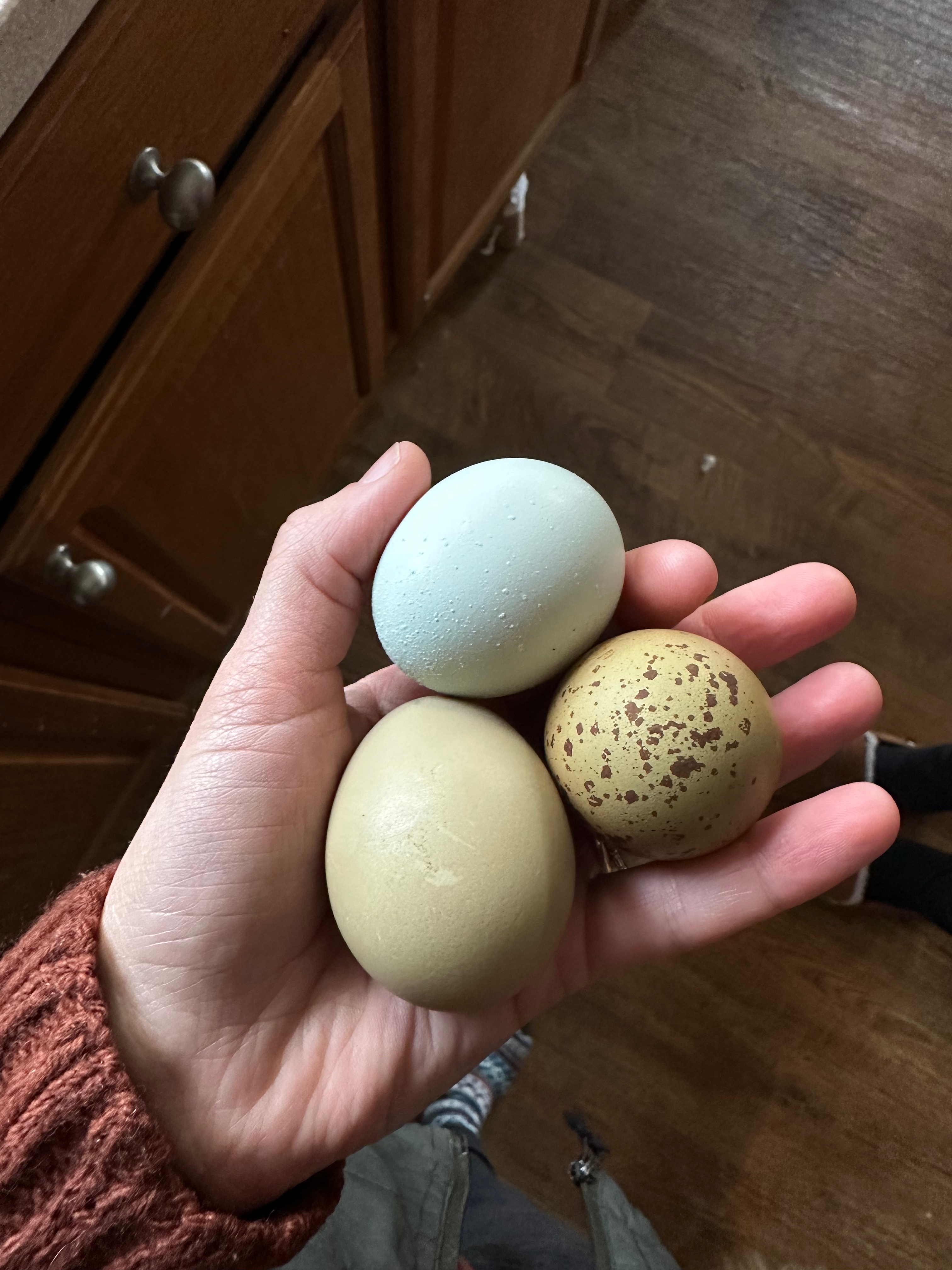
And this year, I am VERY excited. I’m excited to expose our kiddos to the food cycle–to continue their first hand understanding of where fruits and vegetables come from. I’m excited to pair our homegrown eggs (more on that to come) with our homegrown vegetables. And I’m very excited to eat the fruits of our labor, which always taste extra delicious when you know how much work went into producing them.
We’re trying out a few new techniques with this year’s garden. In the past, we’ve always done raised beds. But with an expanded scale of our garden this year, we’re excited to try no-till methods. In part this is because they’re super simple: you lay cardboard down on the ground and cover it with six inches of soil, and then plant. But in part this is because there are some proponents of no-till gardening that claim it produces happier plants, thanks to allowing the soil layers to remain intact. It also reduces the amount you need to weed–something I am all for.
In the past, I’ve never started seeds ahead of time. I’ve either direct sowed them in the garden once spring was well under way, or I’ve purchased started plants at the garden store. But this year, we decided to take it up a level by purchasing a shelf with grow lights, where we can start our seeds.
Then I got online and started looking at all the supplies I’d need–trays and a watering can and the plastic little seed starter things. It felt like a lot, and I didn’t love the idea of adding a bunch of extra plastic into our lives, especially when one of the big benefits of gardening to me is reducing the packaging our food comes in. I got in touch with some family friends of ours who are wonderful gardeners about how they start their seeds (and practically do grow all of their veggies in their suburban backyard) and they suggested that I check out soil blocking. After some Googling on the matter, I was sold.

This method is also pretty simple, though it requires a little bit more preparation. You can purchase a soil blocker tool, which essentially is like a 3D stamp that presses out cubes of soil. Then you need a soil mix (that consists of compost, nutrient mix and coco coir), ya get it really wet, shove it into the blocker, and press it out onto a tray. It’s one of the more satisfying things that I’ve ever done before: it turns out these perfect little cubes.
The blockers are supposed to come with a little indenter, which creates the perfect little hole to stick seeds in, but we couldn’t get our indenters to fit. So instead, once I’d packed it with soil, I used a pencil to poke holes for the seeds–which also worked fine.
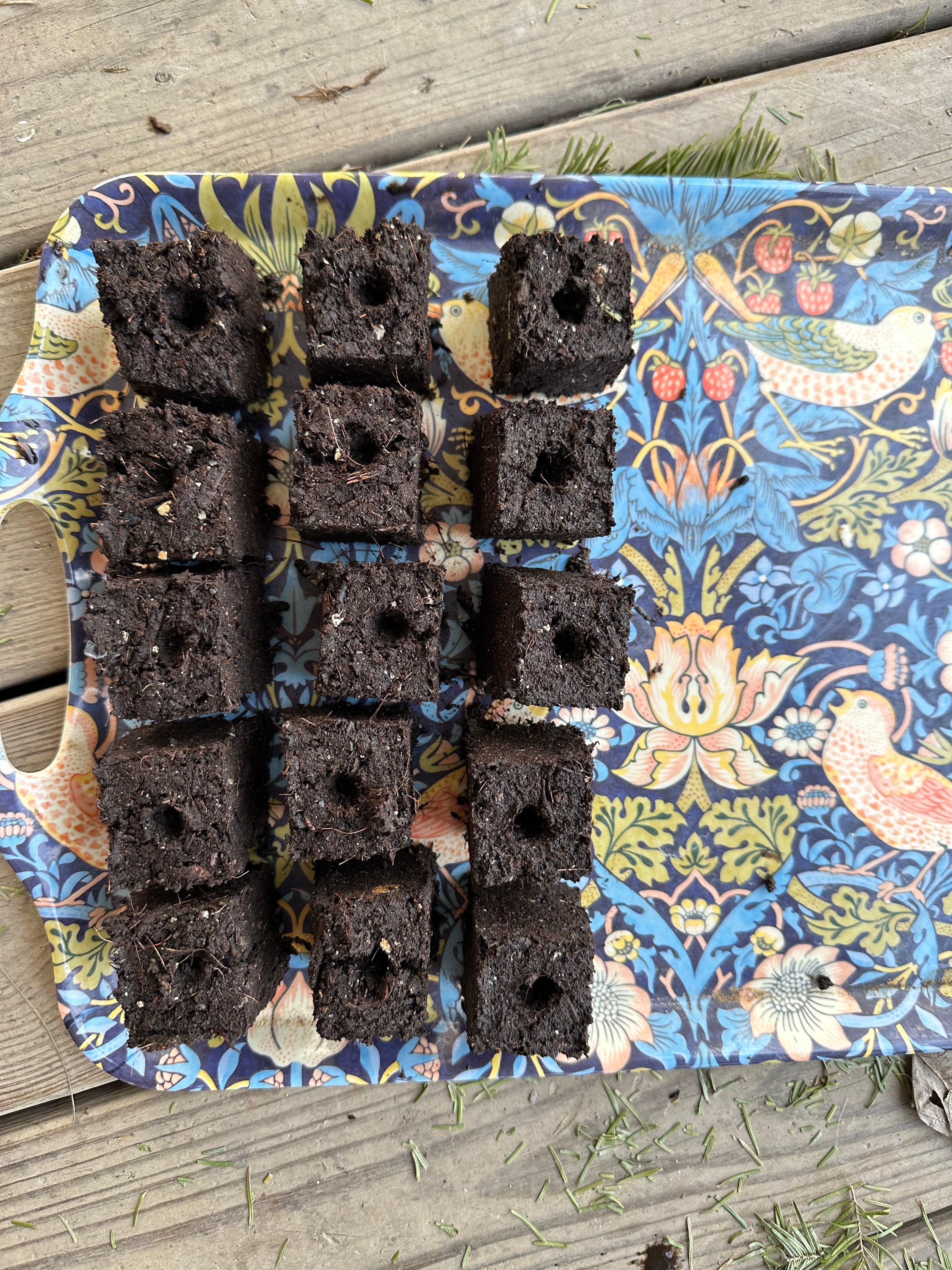
Then ya drop seeds in the little holes, pat a little soil over them, and stick them under lights to grow. So far, the only things we have started are our onions, green onions, leeks, jalapeños and sweet peppers. The onion and leeks can go in the soil early, which is why they have such an early start. but the peppers just take a long time to germinate, and so need extra time to grow if you’re going to get vegetable producing plants in the course of a northern growing season.
The kids are very excited about this whole business. We’re going to let them each have their own little garden bed, where they’ll be able to plant whatever they’d like. Last I’d heard, L was planning on lots of different flowers, while H wanted berry bushes. W is too little to plan his own garden, so I think I’ll put in some veggies that he’s likely to enjoy. It’ll be fun to see what they do! And fun to see how our bigger garden beds do, too.

 Feathery Thoughts
One thought on “On The Start of a New Garden”