For some reason–despite years and years of doing it and a year as the co-President of the Sustainable Foods club (and thus co-director of the campus community garden)–gardening has never felt in my comfort zone.
The concept is simple: you stick plants in the ground. You give them sunlight and water. And if the conditions are right, they grow. And I’ve had a fair amount of success over the years, despite my ineptitude. In Georgia, our garden thrived through both tender loving care and total neglect, and we often had more veggies than we could eat. But despite that, I still felt overwhelmed by my lack of knowledge.
And frankly, it makes sense: there’s so much to know about pests, conditions required for different vegetable varietals, planting schedules, crop rotation, succession planting, weeding, frost dates, harvest, seed propagation. Every vegetable needs something a little bit different and faces a series of slightly different challenges.
This year, I decided to take my first steps into bringing gardening into my comfort zone: I bought a couple of new gardening books and read them back to front. I consulted my garden-guru friends about their favorite practices. And I purchased new supplies, including a cool dirt press that allows for plastic-free seed starting (for more on that process, you can check out this earlier blog).
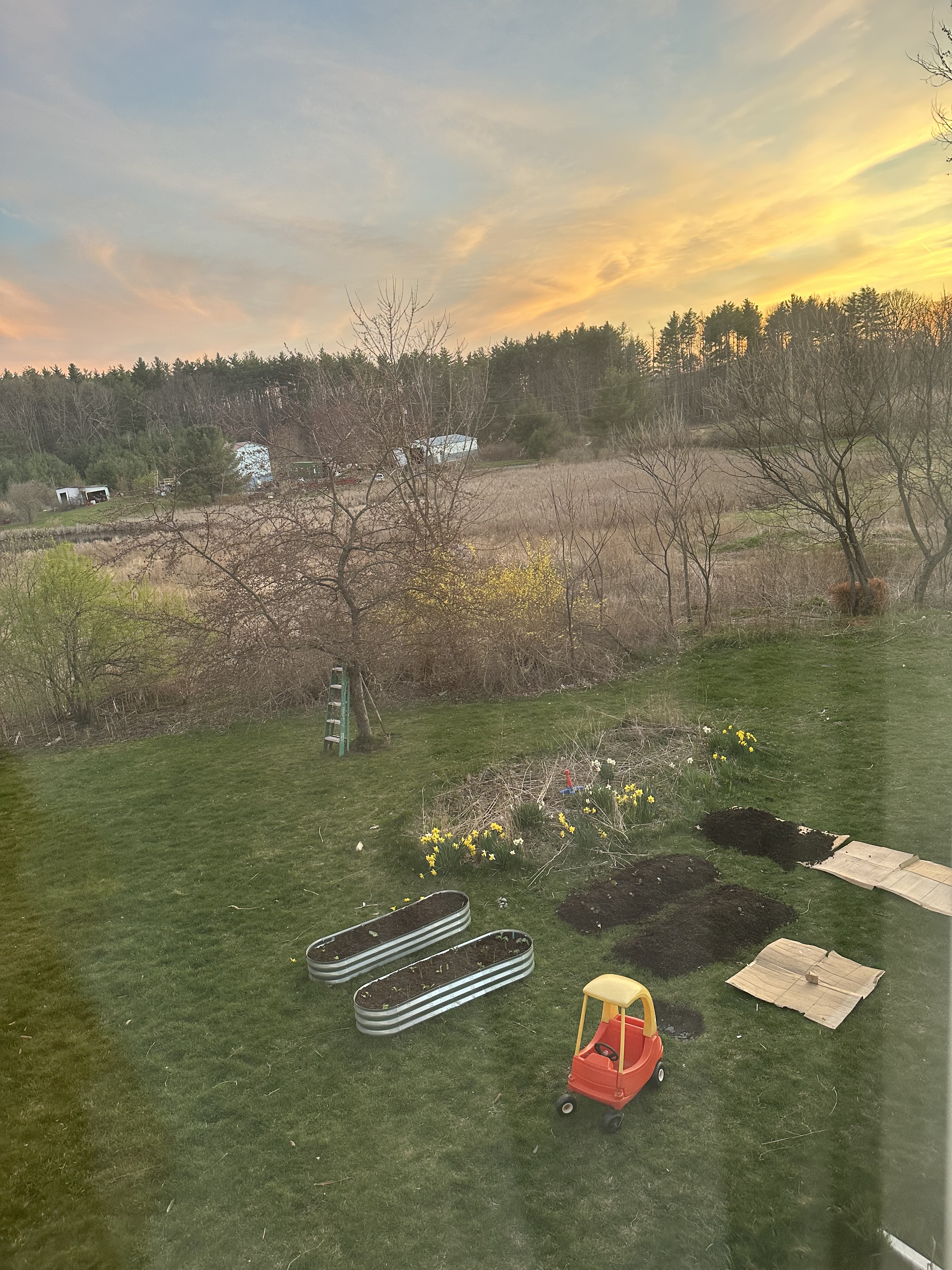
However, even with all my preparation, now that gardening season is full underway, I still feel caught off guard and unprepared. In mid-May, after our final frost date had passed, I began the process of hardening off, leaving my tender little plants outside for increasing periods each day. Then, when I’d done that for the amount of time specified in my book, I stuck them in the ground and crossed my fingers.
From this point forward, things went badly. First, it rained essentially from that point on. Every day brought more heavy gray clouds, and a fresh deluge of rain. And then the nights turned cold again. Not bitterly cold–not enough to frost–but cold enough that my poor baby plants were deeply unhappy. My tomatoes turned wilty and pale. My peppers put out nary an additional leaf. My cilantro withered.
Even though I’ve been trying to approach my various endeavors with a healthy dose of detachment, I couldn’t help it. I despaired. I’d put in so much work to each little seedling. Had poured so much love and hope into their roots along with water and nutrients. And here I was, facing the classic dilemma of every farmer: the elements were not cooperating, and all my hard work was quickly being foiled by nature.
Then came the rabbit. We’ve known that we have neighbor rabbits in our backyard for some time–H is desperate to tame one as a pet, and frequently leaves carrots out for them. However, while not a single carrot has ever been touched, the rabbits apparently could be much more easily tamed via my red cabbage, which they love deeply.
I found this out when I stepped out one morning to find my cabbage fully consumed–every last little plant eaten down to the base. I was so upset (and made such a ruckus scaring off the culprit, who was still happily munching away) that my dad has taken to calling me Mr. McGregor, after the farmer in Peter Rabbit.
To add insult to injury, when I put out my squash plants several weeks later, I came out the next day to find them absolutely covered in striped cucumber beetles, and several of the plants had been so heavily defoliated that they’d already succumbed to wilt.

Now, I’m not usually a particularly war-like person, and I try to avoid killing at all costs. But something fierce came out in me at the sight of those beetles so delightedly munching my squash to bits, and I found myself squashing them left and right. Once the entire population had been extinguished, I marched inside and ordered crop covers (which my book had suggested, so I probably ought to have saved myself the trouble and done it right off).
Since then, things have started to turn around a little bit. My plants are slowly overcoming their transplant shock, and I can see deep green growth in their new leaves. The covers have helped trap warmth in to spur new growth, and have also prevented pests from doing further damage. I’m sure that the summer will hold more gardening shocks, but for the moment, I think it’s safe to say that we’ll get a least a few tomatoes, peppers, beans and squash out of it.
We’ve already had decent harvests of spinach, kale and arugula–cold hardy plants that have thrived in our raised beds–and I’m getting ready to transition to some heat tolerant greens, like lettuce.
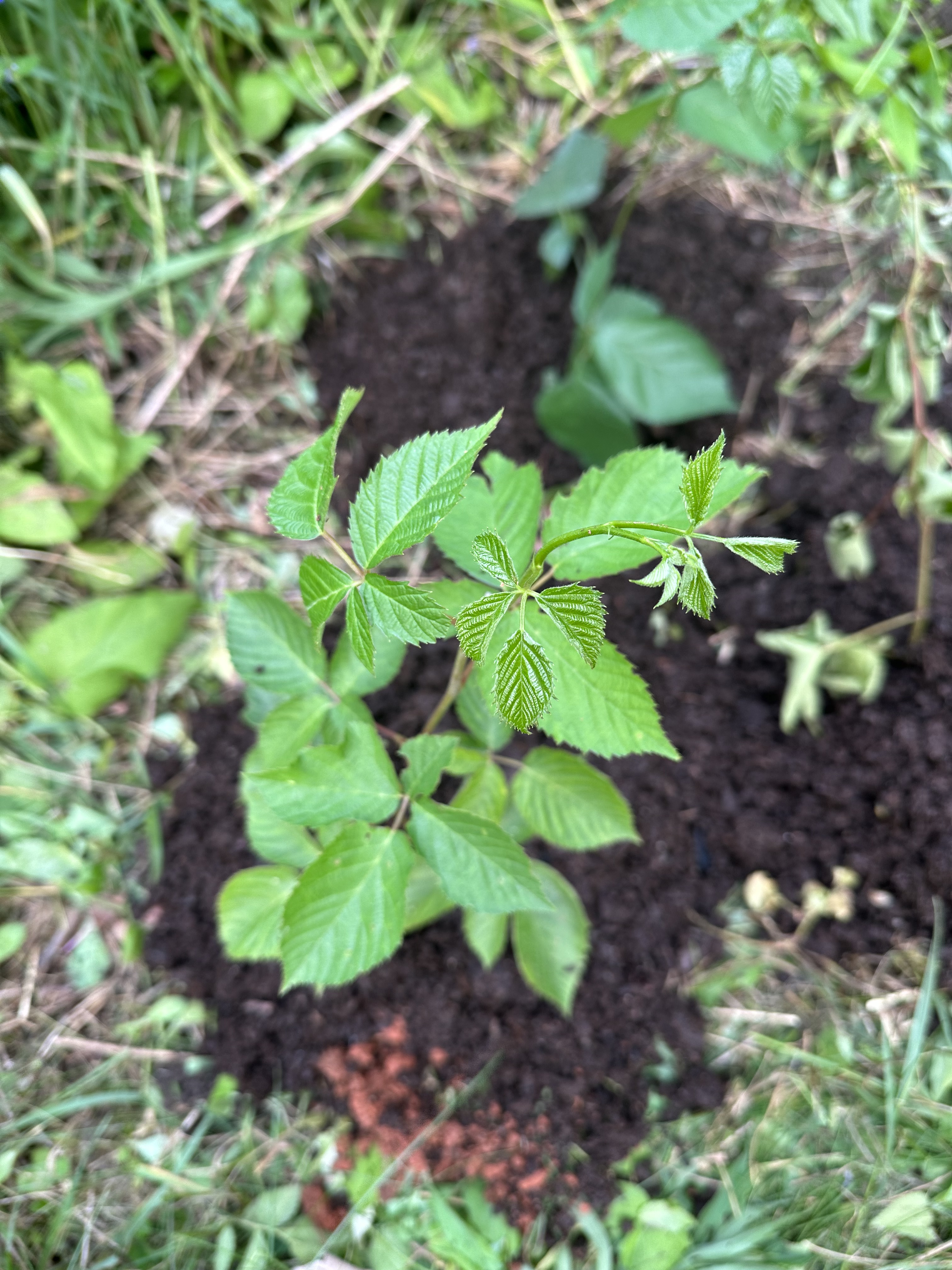
We also brought home four new blackberry bushes from farmer friends in Georgia, and transplanted them into a wild patch in our yard, alongside some naturally growing raspberry bushes–so fingers crossed that one day we’ll have an entire patch to pick from. We also hope to expand our fruit production by planting a little orchard in the field adjacent to our house, which will contain apple trees, cherry trees and pear trees.
In my effort to learn, I’ve been keeping a garden journal, recording what happens when and why. I’m hoping that next year, I’ll be able to consult it to know when to expect different pests to attack different plants (so that I know when to cover them), and that I’ll have records of what worked and what didn’t.
On reflection, maybe my effort to bring this new hobby into my comfort zone has been successful even despite the challenges. Even if all my plants whither and die, somehow I’m beginning to feel more comfort and joy while I’m in my garden.
 Feathery Thoughts